Bali Ogoh-Ogoh
Bali Ogoh Ogoh Is Symbolized Giant Creature With Scary and Ferocious Appearance
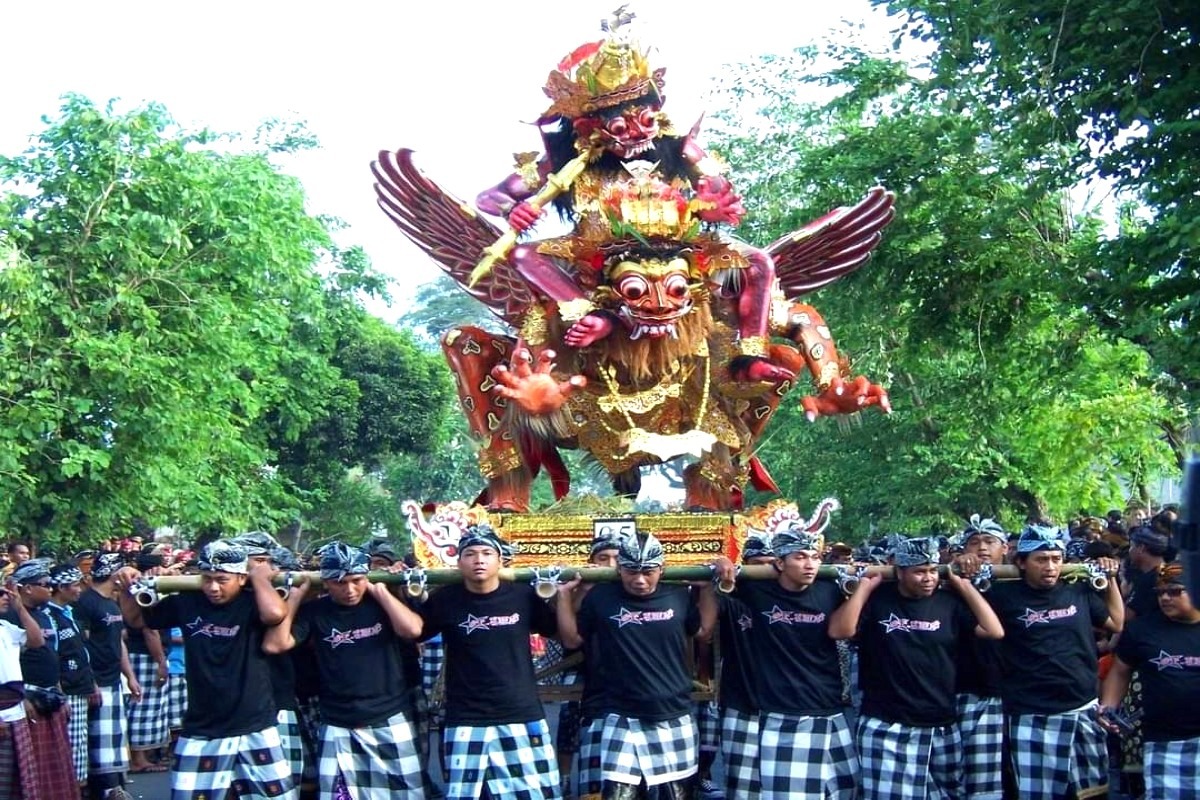
The spectacular Bali Ogoh-Ogoh parade is deeply intertwined with Nyepi Day, the celebrated Balinese Day of Silence. It is widely considered the most vibrant and highly anticipated event in the entire island festival series. This lively cultural phenomenon offers travelers a breathtaking look at traditional heritage before the entire province transitions into absolute silence, peace, and deep reflection.
These monstrous statues are paraded on Ngrupukan night, the festive eve of the Saka New Year across Bali Islands. Expertly built to look terrifying, the enormous Ogoh-Ogoh effigies represent negative spirits, chaotic universal forces, and dark earthly elements. They are hand-carried through local streets and villages by traditional neighborhood communities called Banjars, an active task driven by enthusiastic youth. The participants carry these massive bamboo and paper structures on large wooden grids, shaking them violently at major crossroads to scare away any lingering bad luck or malevolent entities effectively.
The carnival begins in the late afternoon within each village center, drawing thousands of excited spectators. The lively parade routes typically wind through streets before the statues are brought to the local cemetery to be ritually burned. Balinese Hindus believe torching them purifies the environment, symbolically destroying evil forces from the island before the day of absolute silence begins. This fiery ritual clears the spiritual path for the upcoming day of meditation, ensuring that the community enters the new year with a completely clean slate, pure thoughts, and harmonious relationships.
All You Need to Know About the Bali Ogoh-Ogoh Festival
- What are Ogoh-Ogoh Made From?
- The Process of Making Ogoh-Ogoh
- The Evolving Forms of Ogoh-Ogoh
- The History and Origins of Ogoh-Ogoh
- The Denpasar Ogoh-Ogoh Festival
- Premier Locations and Festivals Across Bali
What are Ogoh-Ogoh Made From?
An Ogoh-Ogoh is a massive, statue-like effigy constructed from lightweight materials, traditionally utilizing a combination of wood, bamboo, paper, and string so it can be easily lifted and paraded. As modern technology and art materials have evolved over the years, many local creators now prefer using blocks of styrofoam. While this alternative method is more expensive, styrofoam remains incredibly lightweight and much easier to carve into intricate details. This allows young artists to build increasingly complex, towering structures that can safely sway and dance dramatically above the massive crowds during the energetic island-wide processions on the eve of Nyepi.
These statues are crafted to represent Bhuta Kala, the evil spirits and mythological creatures believed to disrupt human life. Bhuta Kala is typically depicted as a Rakshasa a giant, ferocious monster with a terrifying appearance that embodies negative energy and vice. In Hindu and Buddhist mythology, the word rakshasa translates directly to cruelty, which stands in stark contrast to raksha, meaning tranquility. By parading these monstrous figures through the village streets and ultimately destroying them, Balinese Hindus symbolically banish these negative forces and vices from the human world. This ensures spiritual balance is restored before the quiet holiday begins.
The creative process takes place over several months in community pavilions called Banjars, where youth work together late into the night. It is a vital cultural tradition that preserves Balinese artistic skills while building strong community bonds. When the noisy parades end and the giant effigies are burned, it represents a deep spiritual cleansing for the entire island. This dramatic ritual clearing ensures that every family can enter the silent New Year with a completely pure heart, clear mind, and positive energy, free from the chaotic influences of the past year.
The Process of Making Ogoh-Ogoh
The fascinating process of creating a giant Ogoh-Ogoh typically begins about three months before the energetic Ngrupukan festival kicks off. The entire creative project takes place at the local Banjar (the village community center), which transforms into a bustling art workshop. Here, village residents of all generations gather every evening to build, sculpt, and decorate the giant effigy together as a community, passing down ancient artistic techniques to the younger generation.
The construction moves forward through several detailed phases:
- Building the Frame: Creators start by gathering raw bamboo poles to weave, bend, and construct a sturdy, flexible internal skeleton. This vital structural base is specifically designed to successfully withstand the intense weight and violent shaking movements performed by the teams of carriers during the energetic street parades on Ngrupukan night. Building this core foundation properly requires exceptional skill, ensuring the massive effigy remains balanced, safe, and perfectly secure when danced dynamically through the crowded town squares.
- Shaping the Body: Thick sheets of lightweight styrofoam or layers of wet paper mesh are carefully applied directly over the woven bamboo frame. This essential sculpting process beautifully forms the terrifying, muscular curves of the giant creature's skin, limbs, and powerful body structure, bringing the demonic creature to life completely. Artists meticulously layer these durable materials to build realistic textures, anatomical details, and dynamic poses that make the massive monster look exceptionally realistic to thousands of spectators.
- Carving the Face: For the intricate head and detailed mask, local community groups often collaborate closely with master Balinese woodcarvers. Together, they sculpt a truly terrifying, giant-like face featuring fierce glowing eyes and long fangs. This artistic step ensures that each unique monster successfully captures a frightening and dramatic expression. These expert carvers use traditional folklore techniques to craft dramatic expressions, making the facial features stand out beautifully under the bright parade spotlights during the grand city carnival
- Dressing the Figure: Tailored fabrics, colorful paints, and traditional checkered cloths known as Kain Poleng are prepared and wrapped around the structure. These decorative materials serve as the creature's dramatic garments, adding authentic cultural details and rich visual textures that make the final artwork look incredibly striking to the massive crowds. Every color choice and fabric pattern holds deep symbolic meaning, transforming the giant sculpture into a vibrant masterpiece that beautifully honors centuries of sacred Balinese Hindu heritage.
This entire collaborative timeline spans about two to three months, though massive, complex, or highly detailed statues can take even longer to perfect. Once the heavy construction is fully complete, the grand Ogoh-Ogoh masterpiece is kept strictly under wraps, safely hidden beneath large sheets of cloth to keep it a secret from rival villages. The towering figure is finally unveiled to the excited public on the afternoon of the parade, ready to be carried through the streets to cleanse the entire village of negative energies before the Day of Silence begins.

The Evolving Forms of Ogoh-Ogoh
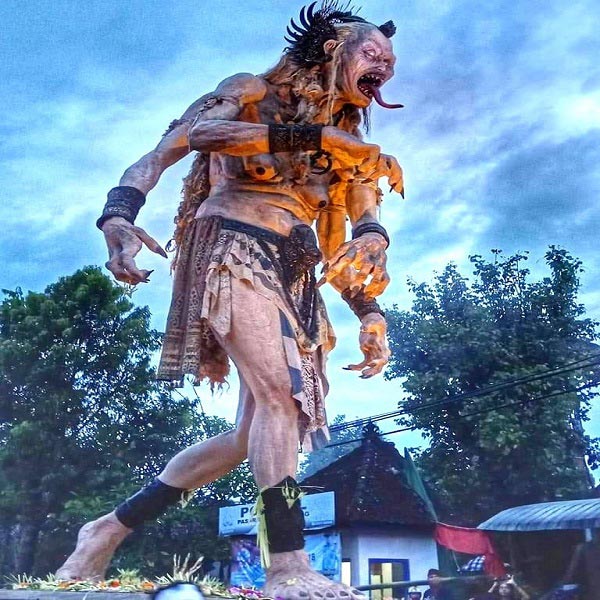
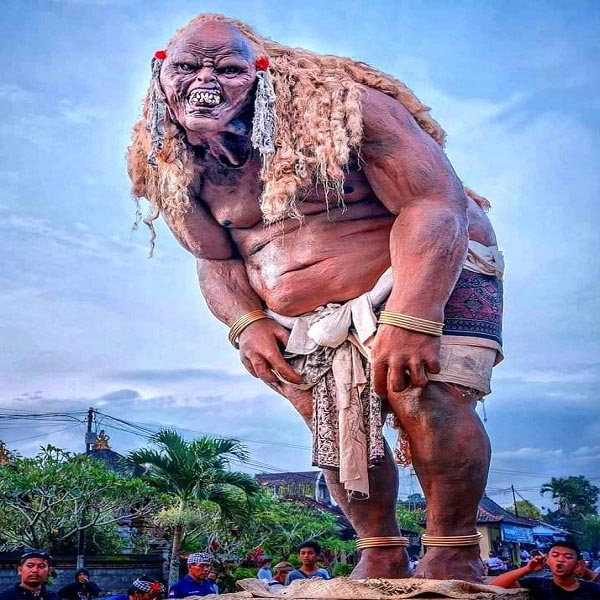
While traditionally sculpted in the image of a Rakshasa, modern Ogoh-Ogoh now take on a wide variety of creative shapes. They often depict other powerful mythological creatures like the majestic Garuda and long dragons, as well as classic Hindu deities such as Lord Shiva, Ganesha, or Goddess Durga. In recent years, contemporary artists have even created bold figures that portray famous public individuals, global celebrities, or contemporary villains. This ongoing stylistic evolution showcases the incredible adaptability of Balinese craftsmanship, allowing local painters and sculptors to fuse ancient folklore with current global pop culture trends very smoothly nowadays.
Although highly entertaining for spectators, this modern artistic shift has sparked intense debate among cultural purists. Critics firmly argue that depicting real living people deviates too far from the original, sacred concept of the Ogoh-Ogoh, which is meant to represent only mythological evil spirits. They believe that changing these traditional forms risks diluting the deep spiritual value of the upcoming Nyepi celebrations. For these traditionalists, keeping the focus strictly on ancient scriptural demons is essential to maintaining the authentic ritual boundaries that have successfully protected the island's unique religious heritage for many centuries.
However, the local artists who create these modern figures offer a completely different perspective on the matter. They argue that in today's world, human actions are frequently influenced by evil energies, as clearly seen in the destructive actions of global terrorists and corrupt officials. By expanding the definition of vice, these creative thinkers believe that modern secular evils must also be symbolically confronted, paraded, and destroyed to cleanse society. This makes the ritual incredibly relevant to modern life, proving that the parade remains a powerful tool for social commentary and spiritual purification across Bali.
The History and Origins of Ogoh-Ogoh
The name Ogoh-Ogoh comes from the Balinese word "Ogah-Ogah", which translates to "To Shake" or "to move back and forth". This name is a perfect description of what happens during the parade. As the heavy monster statues are carried through the streets, the carriers aggressively sway, bounce, and shake them. This energetic movement creates a wild illusion that the giants are actually alive and dancing. Because every statue is built in a completely different pose, each one moves in its own unique way when shaken. Today, local youth groups even add modern technology like mechanical joints and custom robotics to make the giant creatures move their arms and heads independently.
There are a few different theories about where the Ogoh-Ogoh tradition originally came from:
- Ancient Royal Cremations: One popular belief traces these giant statues back to the old kingdom of Dalem Balingkang. In those ancient times, simple paper and bamboo figures were regularly used during Ngaben, which are traditional Balinese Hindu cremation ceremonies. These historic figures served as spiritual symbols to help guide ancestral souls safely toward the peaceful afterlife. This meaningful ritual eventually laid the early creative foundations for the grand, artistic street parades that travelers see across the island today.
- Village Cleansing Rituals: Another interesting theory suggests the modern parade was inspired by the Ngusaba Ndong-Nding rituals native to Selat Village in Karangasem. Historically, local farmers built and displayed terrifying, monstrous figures specifically designed to scare away evil forces from their agricultural land. This protective community custom successfully warded off bad luck, crop diseases, and lingering negative energies, ensuring that the village remained peaceful, safe, and spiritually clean before a new farming season began.
- The Barong Landung Puppets: A third popular idea connects the contemporary statues directly to the famous Barong Landung tradition. These are giant, human-like puppets that portray the towering, scary forms of a legendary ancient king and queen named Raden Datonta and Sri Dewi Baduga. This unique storytelling custom heavily influenced the massive scale, dramatic expressions, and theatrical dance styles that local neighborhood youth groups use during the lively processions on the eve of Nyepi.
Despite these old historical roots, the modern Ogoh-Ogoh parade as we know it today actually started quite recently, in the early 1980s. This was the exact time when Nyepi (the Day of Silence) was officially declared a national holiday in Indonesia. To celebrate this proud moment, local neighborhood centers (Banjars) in Denpasar started building large structures called onggokan. These structures were eventually named Ogoh-Ogoh, and the fun custom spread fast all over Bali. The tradition became a permanent part of Balinese culture after making its official debut at the famous Bali Arts Festival.
The Denpasar Ogoh-Ogoh Festival
Before the grand procession of Ngrupukan night, a highly anticipated Ogoh-Ogoh festival is held at Puputan Square in Denpasar. The massive effigies featured in this spectacular city event are not chosen at random; they undergo a strict selection process across the various districts of Denpasar. The annual festival aims to honor and appreciate these creations, celebrating their exceptional artistic merit, cultural depth, and storytelling value. It provides a wonderful platform for local youth groups to proudly showcase their incredible design skills and creative innovations before the major island-wide holiday begins.
To qualify for this prestigious showcase, each towering Ogoh-Ogoh must meet high standards of craftsmanship and entertainment value. The artistic themes typically draw inspiration from Hindu epics, such as the Wayang stories of the Ramayana and Mahabharata, alongside other traditional Balinese folklore. Local neighborhoods spend months building these lightweight figures out of bamboo and paper mesh to perfection. This ensure that every single monster statue tells a meaningful story about universal balance, spiritual purification, and human nature, captivating the minds of thousands of excited domestic and international spectators alike.
The highlight of the festival occurs at the iconic Catur Muka Crossroad right in the heart of the city center. Upon arriving at this central hub, the carriers and their team must perform a dramatic dance and theatrical attraction in front of a panel of judges. This intense performance dynamically brings the story and theme of their specific Ogoh-Ogoh to life. Accompanied by loud gamelan music and cheering crowds, the participants shake, spin, and move the heavy effigies with incredible energy to scare away negative forces before Nyepi begins.
Premier Locations and Festivals Across Bali
While the grand Ogoh-Ogoh procession takes place in almost every single village across Bali, a few small communities choose not to participate due to local customs. For travelers looking for the ultimate spectacle in Denpasar city, the premier viewing location is Puputan Square (also known as Puputan Field). Here, a massive crowd of thousands gathers together to witness a spectacular, lively parade of creative statues in all imaginable shapes, colors, and sizes.
The exciting festivities in Denpasar roll out in two distinct phases:
- The Main Festival: This highly anticipated judged event begins a few hours before Sandikala (dusk), showcasing the very finest, most creative, and competitive monster statues meticulously built by local neighborhood youth groups. Excited spectators line the city streets early to secure prime viewing spots for this magnificent cultural display. This grand city exhibition showcases incredible artistry, creating an electrifying atmosphere as communities proudly present their massive, hand-crafted masterpieces to the panel of judges right now.
- The Neighborhood Parades: Once the official city festival completely concludes, Ngrupukan night truly comes alive as local Banjars from all across Denpasar enthusiastically launch their own vibrant street parades. These lively neighborhood processions keep the festive energy running high with thunderous traditional music and cheering crowds deep into the night. It is a wonderful grassroots celebration where local streets turn into a stage, allowing families and visitors to experience the authentic local spirit up close.
Vibrant cultural celebrations are also held in other regencies outside of Denpasar, including Gianyar, Tabanan, and Buleleng. However, these regional districts do not always restrict their festive events to the eve of Nyepi Day. Instead, they occasionally host large-scale Ogoh-Ogoh parades to mark special cultural milestones, such as town anniversaries or major religious celebrations. This means you might get lucky and catch a parade even if you visit the island at a different time of the year!
FAQs: Bali Ogoh-Ogoh Festival
They represent Bhuta Kala (negative energies) and are destroyed to cleanse the island before Nyepi.
It takes place annually in the evening before the Balinese Day of Silence (Nyepi) in March.
Major displays occur at intersections across the island, including Lapangan Puputan Badung in Denpasar.
Statues are built from eco-friendly materials like bamboo and paper to avoid environmental pollution.
Respectful viewing is encouraged, and travelers should note that road closures occur in the afternoon.