About Bali Islands
A Complete Geographical Overview and Historical Journey of the Bali Islands
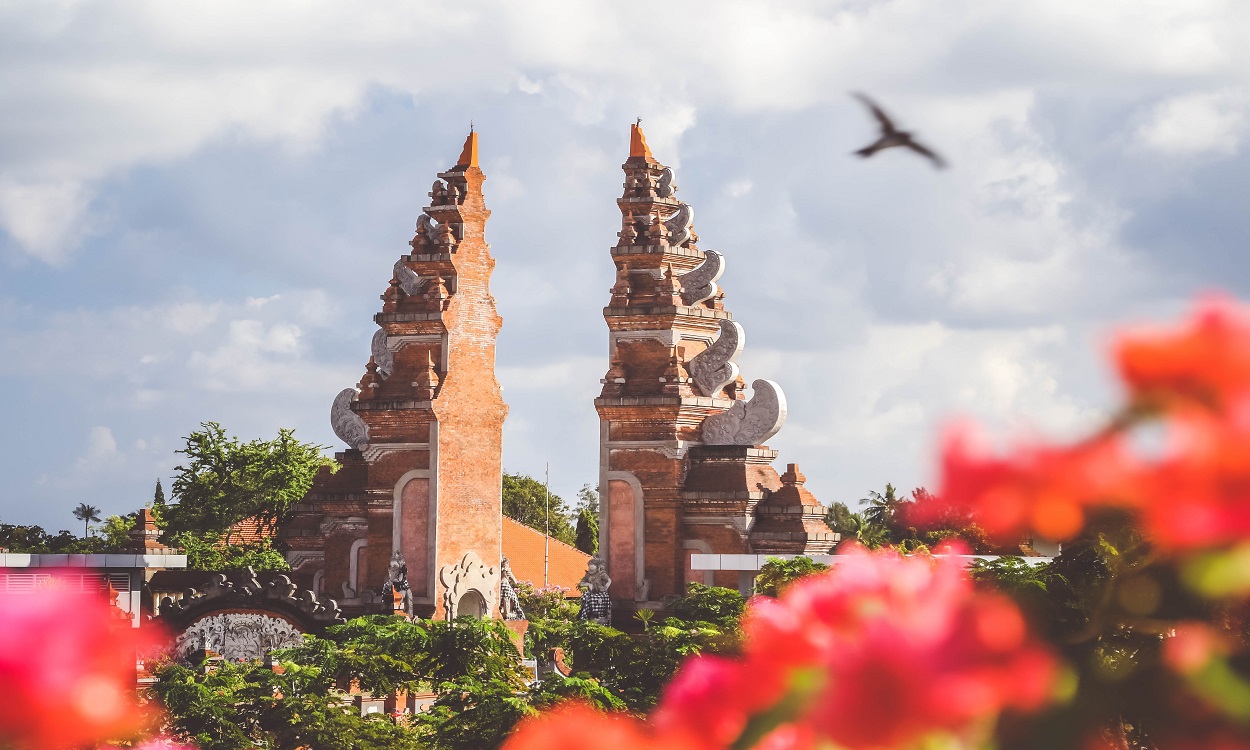
Being one of the most beautiful tourist spots in Asia, Bali Islands attracts more than 1,000,000 visitors from all over the world every year. Geographically, Bali is situated right between the islands of Java and Lombok. As a highly celebrated destination, the stunning Bali Islands of Paradise offer a charmingly compact tropical escape, stretching approximately 140 kilometers from west to east and 80 kilometers from south to north for travelers globally.
Today, the prominent Bali Islands form a distinct province in Indonesia with Denpasar as its bustling capital city. Historically, the province was part of the Lesser Sunda Islands at the dawn of Indonesia's independence, with Singaraja serving as the initial capital. The region has since been divided into three separate provinces: Bali, West Nusa Tenggara (NTB), and East Nusa Tenggara (NTT). According to the official 2020 government census, the total population of Bali stands at 4,317,404 people, with a population density of 747 people per square kilometer, making this gorgeous tropical island paradise both historically rich and incredibly vibrant today.
All you need to know About Bali Islands
- Regencies Across the Bali Islands
- Mount Volcano in Bali Islands
- Sources of Livelihood in Bali
- Religion & Sacred Temples in the Bali Islands
- Social Structures and Village Life in the Bali Islands
- Accommodations, Hotels, and Tourist Attractions in the Bali Islands
Regencies Across the Bali Islands
Despite its vast size, the province is efficiently divided into nine unique administrative regions, comprising eight regencies and one municipality, with each area proudly featuring its own bustling capital city. Every distinct district boasts exceptional local characteristics, diverse tourism sites, spectacular natural landmarks, and highly distinct cultural traits. Visitors will discover that these historical boundaries shape the magnificent holiday experiences available throughout the destination. The specific surface geographical area size, regional configurations, and overall population distribution of each major administrative regency mapped across the stunning Bali Islands are comprehensively detailed in the structural list below for international travel planners today.
The surface area and distribution of each regency across Bali Islands are detailed below:
- Buleleng Regency: 1,365.88 km²
- Tabanan Regency: 1,013.88 km²
- Jembrana Regency: 841.80 km²
- Karangasem Regency: 839.54 km²
- Bangli Regency: 520.81 km²
- Badung Regency: 420.09 km²
- Gianyar Regency: 368.00 km²
- Klungkung Regency: 315.00 km²
- Denpasar City (Capital): 123.98 km²
Mount Volcano in Bali Islands
The dramatic landscape of the stunning Bali Islands is prominently shaped by a majestic chain of active and dormant volcanoes. This impressive geological formation includes breathtaking peaks such as Mount Abang, Mount Batur, Mount Batukaru, and the legendary, iconic Mount Agung. Serving as the tallest and most revered peak in a vast volcanic string that stretches dramatically from west to east across the land, Mount Agung holds deep cultural significance for the local residents. This massive volcano last experienced a major historic eruption in 1963, leaving an enduring impact on the surrounding terrain and shaping the island's unique structural geography.
Located approximately eight to nine degrees south of the equator line, Bali boasts an incredibly warm tropical climate characterized by two distinct seasonal periods, namely the wet monsoon season and the dry season, with a stable average year-round temperature of 28C. The wide and gently sloping southern regions of this beautiful territory play host to Bali’s famed rice terraces, which are widely celebrated among some of the most spectacular, iconic, and beautiful green agricultural landscapes in the entire world, attracting millions of international tourists who want to witness these pristine, ancient irrigation engineering marvels firsthand on their upcoming tropical vacation.

Sources of Livelihood in Bali
Before the massive boom of modern global tourism, the vast majority of local residents across the beautiful Bali Islands relied heavily on traditional agriculture, sprawling plantation farming, and small-scale community trade. However, the historic rise of international holiday travel completely transformed the regional economy over the past few decades. Today, a significant portion of the hardworking population is employed directly within the bustling tourism hospitality sector. These individuals manage booming beachfront hotels, local restaurants, traditional art shops, travel agencies, and major excursion sites, turning the scenic Bali Islands of Paradise into a highly lucrative, world-famous tropical vacation destination.
While hospitality thrives, essential secondary sectors across the Bali Islands still include government administration, local handcraft industries, and primary food production. In the lush, hilly northern coastal regions, the primary agricultural outputs remain high-quality organic coffee, copra, exotic spices, fresh vegetables, rice, and livestock. These traditional industries provide a vital economic lifestyle balance for local communities alongside the island's booming travel market. This unique combination of ancient farming heritage and modern holiday infrastructure ensures sustainable economic stability, making the island a truly resilient and diverse destination for international travelers and investors alike.
Religion & Sacred Temples in the Bali Islands
The indigenous people of the stunning Bali Islands maintain deeply rooted spiritual traditions that dictate every aspect of their daily lives. Despite a steady, massive influx of international tourists over the past several decades, their vibrant cultural heritage remains completely intact and highly visible. The primary religion practiced here is Agama Hindu Dharma. While its ancient philosophical roots originally trace back to India, Balinese Hinduism is distinctly unique because it beautifully blends traditional Indian principles with Buddhism, historical Javanese Majapahit customs, and ancient indigenous animist beliefs. This unique spiritual blend and harmonious way of life is what truly makes the Bali Islands of Paradise a fascinating reality for modern global travelers.
A traditional Balinese Temple, locally known as a Pura, serves as a sacred, consecrated place of worship for the island's Hindu majority. Because every single household maintains a dedicated private ancestral shrine (Sanggah or Pemerajan) to honor Sang Hyang Widhi Wasa (The Supreme God) alongside their beloved forefathers, there are literally thousands of ornate stone temples blanketing the entire island landscape. Dynamic rituals, sweeping street processions, and holy temple anniversaries (Odalan) take place almost daily. These intricate events are meticulously designed to maintain cosmic balance, revolving around five core sacrificial elements known collectively as the Panca Yadnya:
- Dewa Yadnya: Holy rituals, daily offerings, and major festivals dedicated entirely to worshiping the Supreme Gods and their various manifestations.
- Pitra Yadnya: Elaborate death rituals and sacred cremation ceremonies (Ngaben) aimed at freeing and honoring the souls of deceased ancestors.
- Rishi Yadnya: Devotions, ceremonies, and material support dedicated to purifying and honoring holy priests, gurus, and spiritual teachers.
- Manusa Yadnya: Intricate rites of passage and sacred human life milestones, including baby welcoming rituals, tooth-filing ceremonies, and traditional marriages.
- Bhuta Yadnya: Strategic rituals and food offerings meant to appease, satisfy, and neutralize negative worldly forces and lower evil spirits.
Ultimately, witnessing these sacred practices firsthand allows travelers to see that Balinese culture is not a performance for visitors, but a genuine way of living where every temple archway, daily offering, and community ritual serves as a physical reminder of a society completely dedicated to maintaining peace and gratitude. By taking the time to understand these deep spiritual pillars, you can move beyond standard sightseeing to truly connect with the island, experiencing the timeless devotion to balance and harmony that leaves a lasting impression on everyone who journeys through Bali.

Social Structures and Village Life in the Bali Islands
The local communities across the stunning Bali Islands are bound together by an ancient, intricate traditional village system designed to maintain complete harmony and spiritual balance. This structural way of life governs everything from family relationships to regional civic duties. Every native resident is born into a tightly knit social framework where community alignment is placed above individual desires. This collective mindset ensures that ancient traditions are flawlessly passed down through generations. It is this unbroken commitment to communal unity and peaceful social order that truly forms the cultural foundation of the Bali Islands of Paradise, creating an enchanting atmosphere that leaves a lasting impression on international travelers.
Traditional Balinese life is heavily anchored to several overlapping social, civic, and agricultural systems that dictate daily responsibilities:
- The Desa Adat: The traditional village administration that governs all customary laws, spiritual calendar schedules, and local heritage preservation rules.
- The Banjar: The active neighborhood cooperative council. Every married male resident must join their local Banjar to manage neighborhood security, organize massive festival logistics, and assist families during major lifecycle ceremonies.
- The Subak System: Bali’s world-famous, UNESCO-recognized cooperative irrigation network. This ancient engineering marvel ensures that water from volcanic lakes is distributed completely fairly among downstream rice farmers.
- The Sanggah/Pemerajan: The ancestral family shrine network that maintains deep genealogical ties and bloodline connections through a highly structured patrilineal lineage system.
- The Varna Concept: A traditional social framework that honors ancestral family occupations and ritual roles, helping to preserve specialized arts, music, and craftsmanship across the region.
- The Sekaha Groups: Voluntary cultural clubs within the village dedicated to masterfully practicing traditional gamelan music, sacred dances, or complex temple decoration crafting.
This deep reliance on mutual cooperation, locally known as Gotong Royong, creates a remarkably stable community environment. Even as modern industries expand rapidly across the capital of Denpasar and surrounding tourist hubs, the village structural network remains the beating heart of local life. Visitors exploring the island will frequently witness entire neighborhoods working seamlessly together to build towering festival structures, prepare grand community feasts, or sweep village paths. This beautiful blend of civic responsibility, shared agricultural engineering, and spiritual devotion makes the local social system one of the most resilient and fascinating cultural models in the modern world.
Accommodations, Hotels, and Tourist Attractions in the Bali Islands
To perfectly match its decades of rapid tourism growth, the hospitality infrastructure across the Bali Islands has evolved into a sophisticated lodging network. Travelers can choose from an incredible spectrum of accommodations, ranging from affordable family-run guest houses and eco-friendly bamboo jungle lodges to ultra-luxurious private pool villas and sprawling international beach resorts. The highest concentration of commercial properties is found within the bustling Badung Regency, heavily dominating world-famous southwest coastal holiday hubs like Kuta, Legian, and Seminyak. These distinct zones allow international visitors to precisely tailor their vacation environment based on their personal travel goals.
This massive hospitality network sits side by side with thousands of sacred monuments and iconic cultural landmarks that define the mystical landscape of the Bali Islands of Paradise. Visitors can easily design an unforgettable sightseeing itinerary that pairs luxury stays with deep spiritual exploration at ancient, architecturally stunning holy sites. Among the most celebrated attractions is Pura Luhur Uluwatu, an incredible sea temple perched dramatically on a steep 70-meter cliff edge, famous for its majestic sunset backdrop. Travelers also flock to Pura Tanah Lot, a legendary pilgrimage temple built entirely on a jagged offshore rock formation surrounded by rolling ocean waves.
For travelers eager to step outside their resort lobbies, the Bali Islands serve as a massive outdoor playground for adrenaline-pumping adventures, eco-tours, and tropical excursions that are easily booked through local Bali Tour Operators. Fitness enthusiasts can embark on the rewarding Mount Batur volcano sunrise trek in Kintamani, hiking over rugged volcanic ash fields to witness a breathtaking morning panorama above the clouds. Meanwhile, water lovers can experience a thrilling white-water rafting excursion down the Ayung River, which cuts directly through deep jungle canyons, passing hidden waterfalls, or enjoy marine safaris in Nusa Penida to swim alongside giant, gentle manta rays.