Bali Elephant Ride Tour Ban: Why It's Banned & Ethical Guide
Embracing Responsible Wildlife Encounters: Discovering the New Way to Experience Elephants in Bali Through Ethical Feeding Programs and Sustainable Bathing Sanctuaries
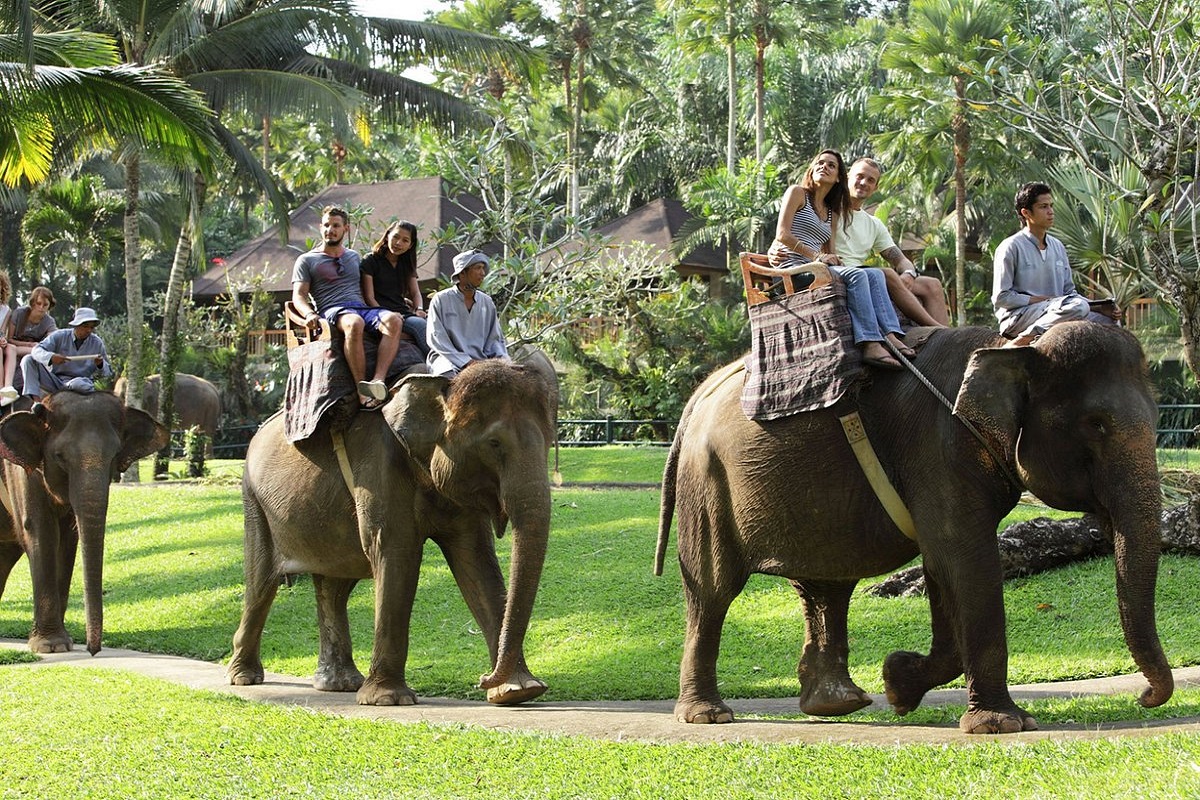
The Bali Elephant Ride Tour was once a popular adventure activity that offered travelers the chance to experience riding elephant in Bali through lush jungles, rivers, and rural villages. While traversing the island's landscape on its largest animal was long considered an extraordinary experience, it is now permanently illegal. This activity is no longer permitted because it causes severe physical and emotional harm to the animals; consequently, the Indonesian government has strictly banned elephant riding nationwide.
Fortunately, you can still connect with these gentle giants without causing harm. Ethical elephant tour providers have completely transformed their operations to focus on responsible wildlife conservation. Visitors can now enjoy deeply engaging, cruelty-free programs centered around interaction, education, and animal welfare, including hands-on feeding elephant experiences and muddy bathing elephant encounters.
The End of Bali Elephant Ride Tours: Why Indonesia Switched to Ethical Conservation
If you are currently planning a Bali Elephant Ride Tour or searching online for how to go Riding Elephant in Bali, you need to be aware of massive, recent changes in Indonesian law. As of 2025, the Indonesian government has officially banned all elephant riding attractions and commercial riding activities nationwide.
This historic ban is strictly enforced by the Ministry of Forestry through the Circular Letter of the Director General of KSDAE Number 6 of 2025. This strict regulation totally prohibits elephant riding displays for commercial profit, tourist entertainment, or photo opportunities across all conservation institutions, safari parks, and zoos.
While you can no longer ride these gentle giants, Bali’s tourism industry is rapidly shifting toward sustainable eco-travel, responsible wildlife tourism, and green holiday experiences. Travelers do not have to miss out on meeting these incredible creatures. Instead of exploitative rides, you can now support local conservation through ethical tourism encounters.
Licensed wildlife sanctuaries now offer interactive feeding elephant programs, muddy bathing elephant experiences, and educational walking tours. If you are looking for a responsible wildlife encounter in popular areas like Ubud, Mason, or Taro, choosing an ethical sanctuary ensures your travel budget directly funds genuine animal welfare, rescue operations, and veterinary care.
Here is an in-depth look at the primary reasons why elephant riding attractions are now officially illegal in Bali and throughout Indonesia:
Long-Term Physical Damage and Severe Anatomical Injuries
- Spinal Injuries and Structural Weakness: An elephant's spine is structurally weak. Unlike horses, their vertebrae are shaped with sharp bony ridges that point upward. Their backs are simply not biologically designed to support heavy vertical loads.
- Heavy Iron Saddles (Howdahs): The massive iron or wooden seats, known as howdahs, friction-burn the elephant's skin. Over time, this intense pressure causes permanent tissue damage, open sores, muscle atrophy, and irreversible spinal deformities.
- Chronic Joint Inflammation and Foot Rot: Forcing captive elephants to walk for hours on hard surfaces, concrete, or hot asphalt triggers severe joint issues, chronic arthritis, and foot pad infections. In the wild, elephants walk on soft jungle soil, which naturally cushions their massive weight.
Psychological Trauma, Captivity Stress, and Wildlife Violence
- The Cruel Taming Process (Phajaan): To make riding elephant in Bali possible, wild or captive-born calves historically had to undergo a brutal training ritual called phajaan, or "the crush." This horrific method systematically breaks an elephant's spirit through starvation, confinement, and physical violence to sever their natural bond with their mothers.
- Constant Physical Threats via Bullhooks: For decades, mahouts (handlers) have controlled tourist elephants using a bullhook—a heavy stick with a sharp iron hook at the end. Elephants obey commands not out of willingness, but out of constant fear, anxiety, and the memory of physical pain.
- Loss of Natural Social Behavior: Elephants are highly intelligent, deeply emotional, and matriarchal herd animals. Forcing them into monotonous, repetitive tourist daily routines deprives them of the opportunity to socialize, forage, and play naturally with their herds, leading to severe stereotypic behaviors like constant swaying and head-bobbing.
These critical welfare and legal issues are precisely why a traditional Bali Elephant Ride Tour and riding elephant in Bali are now strictly banned, driving a positive shift toward ethical feeding elephant and sustainable bathing elephant sanctuary experiences across Indonesia. The following Legal Regulations and Sanctions apply if any party involved in elephant welfare commits a violation.
Strict Legal Regulations and Government Sanctions
- Official Ministry of Forestry Mandate: The Indonesian government’s definitive crackdown on wildlife exploitation is not a temporary trend, but a permanent legal reality. The strict prohibition outlined in the Circular Letter of the Director General of KSDAE Number 6 of 2025 serves as a federal decree. This ensures that any business continuing to advertise a Bali Elephant Ride Tour faces immediate prosecution under national environmental conservation laws.
- Severe Penalties and Revocation of Operational Permits: The government enforces a zero-tolerance policy across all provinces. Any conservation institution, adventure park, safari lodge, or local zoo caught defying the law by offering a riding elephant in Bali package will face swift and severe administrative sanctions. This includes the immediate and permanent revocation of corporate business licenses, heavy financial fines, criminal prosecution for the owners, and the state confiscation of the mistreated animals to be rehomed in certified ethical sanctuaries.
Indonesia’s Eco-Tourism Shift: Transitioning from Elephant Rides to Cruelty-Free Conservation
- Mandatory Transition to Cruelty-Free Conservation Models: Under the new 2025 regulatory framework, all existing animal parks must completely overhaul their operational structures. To maintain their legal permits, these facilities are required by law to transition into non-intrusive, educational observation centers. They must replace legacy riding activities with government-approved, hands-on animal husbandry experiences, such as supervised feeding elephant programs and educational bathing elephant encounters that prioritize veterinary safety and animal freedom.
- Protecting Indonesia's Global Eco-Tourism Image: By eliminating cruel wildlife attractions, the Ministry of Forestry is actively working to repair and elevate Indonesia's reputation on the global travel stage. Modern international travelers demand ethical transparency. This total ban aligns Bali’s tourism infrastructure with international wildlife welfare standards, shifting the island's branding from a hub of animal entertainment to a leading destination for sustainable eco-tourism.
The New Way to Experience Elephants in Bali
The ban marks a positive shift toward ethical wildlife tourism. Instead of riding, visitors are encouraged to participate in hands-on conservation. You can still get up close and personal with these majestic animals by feeding elephant treats or joining a bathing elephant ritual in a natural, cruelty-free environment. Below are some of the best elephant parks offering interactive experiences such as feeding and bathing the elephants along with highly satisfying service.
Come and join us for this unforgettable interaction with Elephants at the best Elephant Park!
Bali Bakas Elephant Park
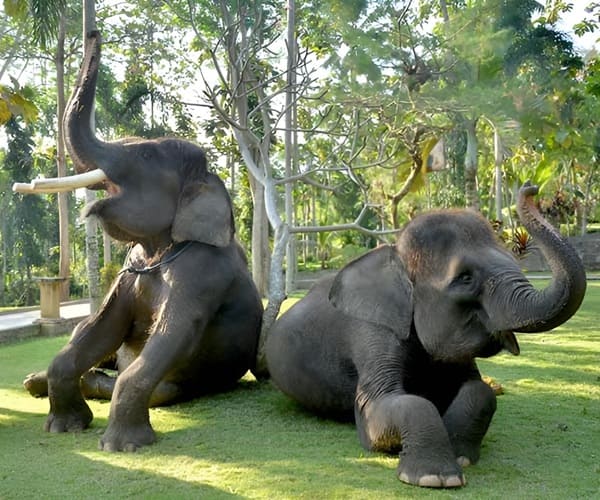
Bali Bakas Elephant Park was once highly popular for offering an affordable Bali Elephant Ride Tour. Following the strict nationwide ban on riding elephant in Bali, this renowned Klungkung sanctuary has completely transformed its operations to focus on sustainable eco-tourism. Instead of traditional trekking loops, the park now prioritizes animal welfare and conservation. They have replaced legacy riding tracks with spacious, natural habitats where these gentle giants can roam freely without the burden of heavy iron saddles or hooks.
These rewarding, cruelty-free alternatives provide eco-conscious visitors with a safe, responsible opportunity to get up close and connect with these intelligent, critically endangered Sumatran giants. The park now offers a diverse range of interactive experiences—such as hands-on feeding elephant programs and muddy bathing elephant encounters alongside educational guided walking tours. By choosing these low-impact encounters over outdated attractions, travelers actively fund vital veterinary care, wildlife rescue operations, and healthy daily nutrition for the animals.
Bali Taro Elephant Park (Mason Elephant Park)
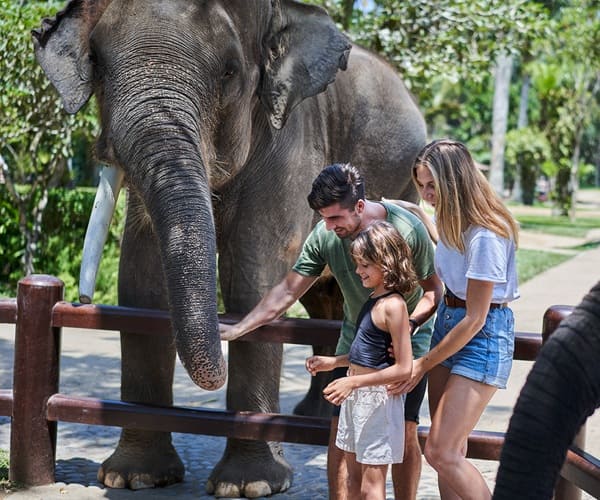
Bali Taro Elephant Park most widely known by the name Mason Elephant Park was once immensely popular for its celebrity-approved Bali Elephant Ride Tour. In response to the nationwide ban on riding elephant in Bali, this premier park has completely transitioned toward ethical eco-tourism and responsible wildlife conservation. They have successfully replaced traditional riding activities with low-impact interaction programs that prioritize animal welfare, allowing visitors to connect with these majestic creatures in a respectful, cruelty-free environment.
These immersive experiences are engaging as legacy tours, offering an exceptional opportunity to understand the unique nature and emotional intelligence of these magnificent animals. Guests can now explore the island's only dedicated elephant museum, participate in hands-on feeding sessions, and join interactive bathing rituals in natural mud pools. Choosing these sustainable and educational activities ensures that your travel budget directly funds high-quality veterinary care, expert handler maintenance, and long-term sanctuary protection for these rescued Sumatran giants.
FAQs: Bali Elephant Ride Tour Ban & Ethical Guide
Is the Bali Elephant Ride Tour still available?
No, the Bali Elephant Ride Tour is completely banned under Ministry of Forestry Circular Letter Number 6 of 2025.
Why was riding elephant in Bali permanently banned?
Riding elephant in Bali causes spinal deformities from heavy saddles and joint arthritis from walking on concrete.
What are the best ethical alternatives to elephant rides in Bali?
The best alternatives are low-impact activities like hands-on feeding elephant sessions and muddy bathing elephant rituals.
Which elephant parks in Bali have transitioned to ethical programs?
Taro Elephant Park (Mason Adventures) and Bakas Elephant Park have transitioned, replacing riding loops with spacious habitats.
How does booking a feeding or bathing experience help the elephants?
Booking a feeding elephant or bathing elephant experience funds fresh food, spacious enclosures, and essential veterinary care.
Is it ethical to visit an elephant sanctuary in Ubud or Gianyar?
Yes, sanctuaries in Ubud and Gianyar are ethical if they prohibit chains, bullhooks, and riding attractions.
How can I verify if a Bali elephant park is legally compliant?
Ensure they completely prohibit riding elephant in Bali and focus entirely on education and animal husbandry.
What should guests bring and wear to an ethical elephant encounter?
Wear clothes you can get dirty. Bring a swimsuit, towel, change of clothes, and waterproof sandals.