Amed Beach Bali
The Ultimate Travel Guide to Amed Beach, Bali: East Bali’s Ultimate Hidden Gem
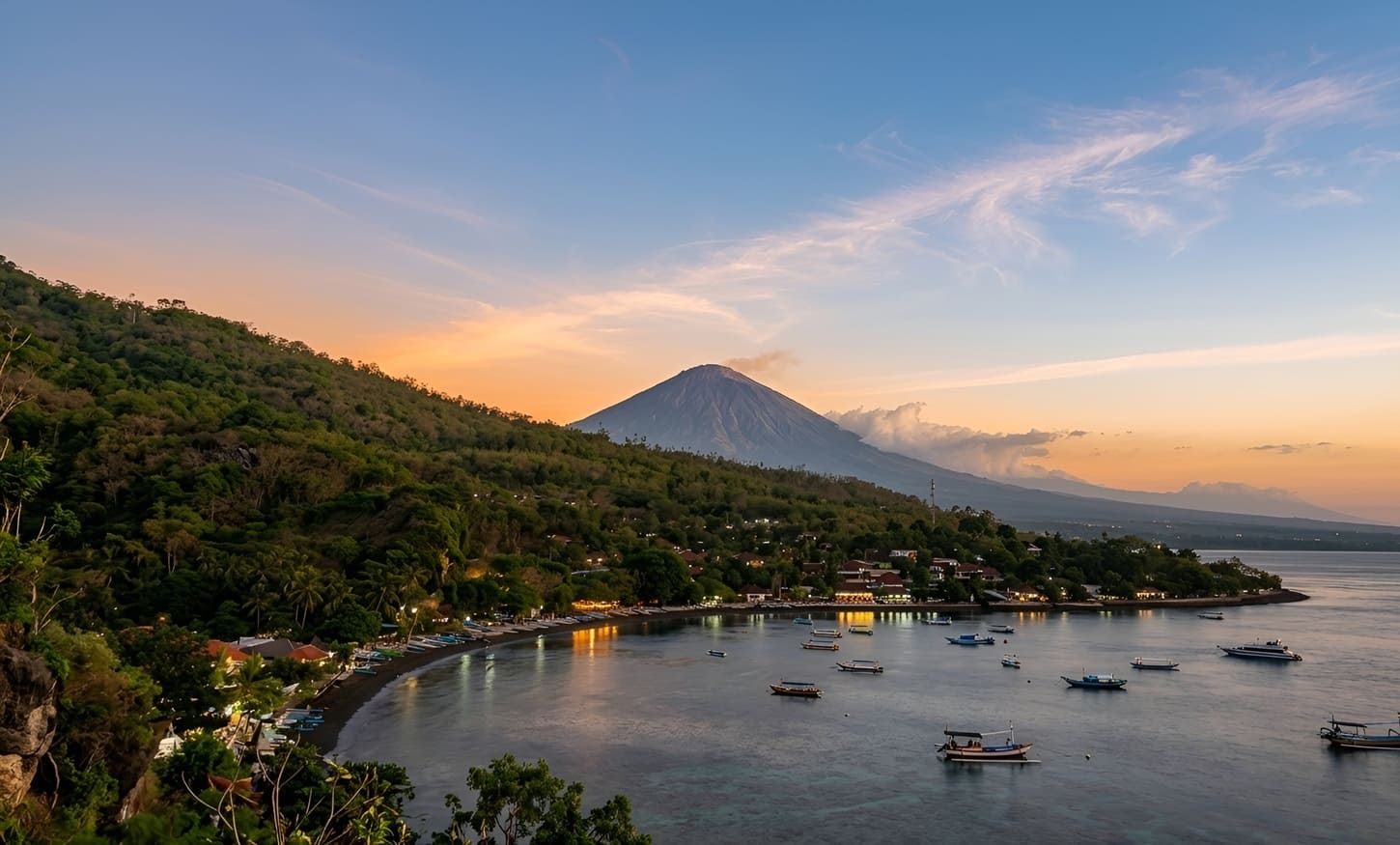
Amed Beach Bali in East Bali stands out as one of the island's most compelling hidden gems, offering a stark, beautiful contrast to bustling, heavily commercialized southern tourist hubs. Framed by the dramatic, looming presence of majestic Mount Agung, this iconic stretch of coastline provides a perfect sanctuary for slow travelers. It beautifully blends rich marine biodiversity with centuries-old Balinese traditions, making it an idyllic destination.
Characterized by its unique, shimmering black volcanic sand, this fourteen-kilometer ribbon of sweeping bays encompasses seven distinct fishing villages. The region operates on a gentle, authentic coastal rhythm where local communities still preserve their deep-rooted heritage. Visitors flock here to escape overcrowded resorts and enjoy a barefoot lifestyle where you can walk straight out of a boutique beachside bungalow into thriving coral reefs. Furthermore, its strategic geographical positioning makes Amed the absolute best launching pad for exploring historic water palaces, trekking scenic volcanic ridges, or catching direct fast boat services to the neighboring tropical Gili Islands for a complete vacation.
Internationally revered as a premier scuba diving and freediving mecca, the deep contours of the Lombok Strait create unique nutrient-rich currents that attract rare marine treasures. Underwater photographers explore shallow shipwrecks and vibrant coral gardens teeming with tropical fish, green sea turtles, mimic octopuses, and ornate ghost pipefish. Beyond the blue ocean, Amed offers an authentic sea-to-table culinary journey centered around fresh catches and traditional Balinese spices. With a rapidly growing remote work infrastructure, high-speed fiber-optic internet, and peaceful beachfront coworking cafes, it has also transitioned into a preferred sanctuary for slow-travel digital nomads seeking total tranquility over intense nightlife.
If you visit Amed Beach Bali, here all you need to know
- Geographic Location & Coastal Topography of Amed Beach
- Cultural History & Ancient Heritage of Amed Beach Bali
- Linguistic Meaning & Cultural Origin of the Name Amed
- Key Visual Highlights & Scenery That Make Amed Compelling
- Why Amed Has Become East Bali’s Most Popular Haven
- Weather Guide & The Best Time to Visit Amed
- Essential Activities & Top Things to Do in Amed
- Why Amed is a Top Scuba Diving & Freediving Mecca
- Local Food Culture & Traditional Culinary Heritage of Amed
- Travel Transport & How to Get to Amed Beach
- Work Infrastructure & Logistics for Digital Nomads in Amed
- Marine Conservation & Sustainability Initiatives in Amed
- Essential Insider Travel Tips for First-Time Visitors
Geographic Location & Coastal Topography of Amed Beach
Amed Beach is located in the beautiful Abang District of the Karangasem Regency, tucked away on the remote northeastern tip of the island. Geographically situated on the rugged north coast of the Seraya Peninsula, this destination serves as a premier sanctuary for travelers seeking an authentic island experience away from crowded southern hubs. The coastline forms an unbroken, fourteen-kilometer ribbon of sweeping volcanic bays and pristine coves that creates a dramatic, cliffside boundary against the deep waters of the Lombok Strait.
This continuous paradise encompasses seven distinct, traditional fishing villages running from west to east: Amed, Jemeluk, Bunutan, Lipah, Selang, Banyuning, and Aas. Each individual village along Bali Amed Beach offers unique coral reefs, diverse topography, and incredible entry points for world-class underwater adventures. The strategic layout of the peninsula allows visitors to jump seamlessly from calm snorkeling bays to deep, dramatic drop-offs within just a few minutes of travel along the coast.
Furthermore, this unique location sits within easy driving distance of historical water palaces, sacred temples, and majestic cultural landmarks, making Amed Beach Bali a highly practical basecamp for exploration. Travelers can easily navigate between the communities using local scooter rentals or private drivers on scenic roads that trace the shoreline beautifully. The stunning environment ensures every journey between these traditional villages treats visitors to panoramic views of looming mountains and deep blue waters.
Cultural History & Ancient Heritage of Amed Beach Bali
The local history of this region reveals a resilient Balinese community deeply shaped by its rugged environment. Before adventurous backpackers and scuba divers trickled into East Bali during the late 1970s, Amed Beach was an exceptionally isolated area. Due to a harsh, arid farming landscape, local survival relied almost entirely on traditional maritime fishing and seasonal salt harvesting. This historical isolation preserved the authentic Balinese way of life, laying a unique foundation for community-based eco-tourism.
Everything changed drastically in 1963 following the catastrophic eruption of nearby Mount Agung. The active volcano blanketed the Karangasem regency in thick ash and volcanic rock, permanently transforming the local landscape of Bali Amed Beach. This historic geological event gave the coastline its famous black sand shores, which now draw global travelers. The dramatic dark shores and unique coastal topography became a natural marvel, setting the stage for the region to eventually become a top diving destination.
Modern infrastructure arrived surprisingly late, as asphalt was not laid on the main coastal road around Amed Beach Bali until the year 2000. This delayed development became a hidden blessing, allowing the seven interconnected fishing villages to organically integrate sustainable tourism. Today, travelers enjoy world-class snorkeling spots and beachfront boutique homestays without displacing the deep-rooted heritage. This balance of modern convenience and preserved culture makes the area a premier slow-travel destination for visitors.
Linguistic Meaning & Cultural Origin of the Name Amed
The region derives its unique name traditionally from the very first fishing village you encounter when entering the coastal zone from the inland hub of Culik Village. Over the decades, because this specific village was the pioneer in welcoming international travelers, Amed Beach naturally became the name used to define the entire multi-village coastline. Etymologically, within local Balinese community lore, the name relates directly to the unique coastal topography of small, protected bays that indentation the northeastern shoreline.
The origin of the name is purely Indonesian and should not be confused with historical cities sharing the same name in ancient Middle Eastern texts. The title is completely rooted in domestic maritime identity, symbolizing the cooperative alliance of the seven traditional villages of Bali Amed Beach. Local elders pass down stories of how the name represents a safe haven for fishermen seeking shelter from the unpredictable open ocean currents, creating a strong sense of pride.
In the modern era, Amed Beach Bali has become a universally recognized brand name globally, representing a distinct lifestyle of tranquility and slow travel. While maps technically separate the region into seven distinct sub-villages, modern tourism marketing uses the collective name to unify the whole coastal strip. For global travelers searching online, the name has become synonymous with authentic coastal living, pristine marine life, and an escape from heavily commercialized southern tourist enclaves.
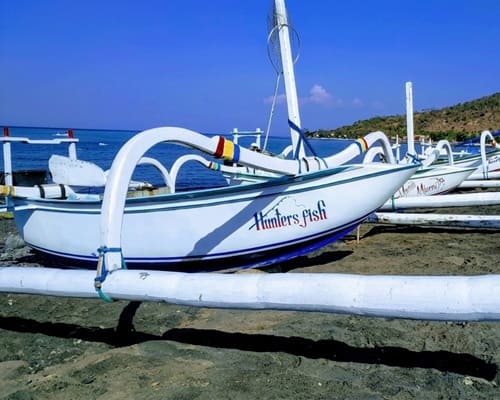
Amed Local Fishing Boat
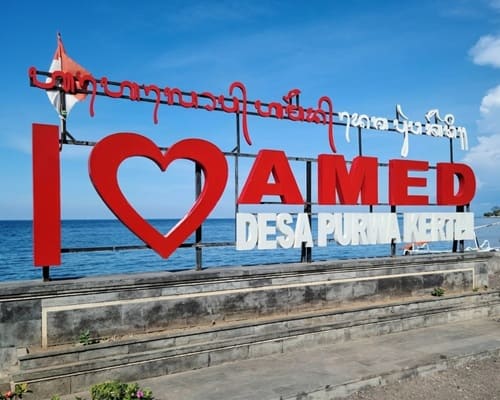
Sign Amed at Beach
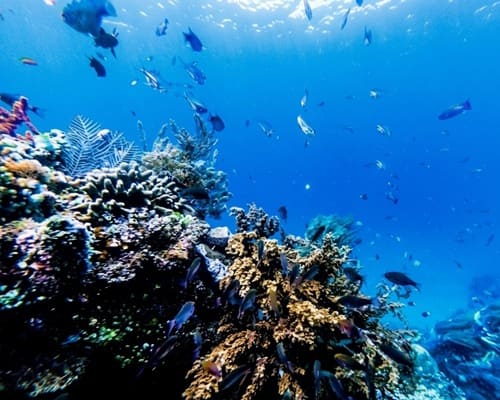
Snorkeling at Amed Beach
Key Visual Highlights & Scenery That Make Amed Compelling
The primary aesthetic allure of Amed Beach lies in its raw, unpolished, and dramatic natural contrast. The unique shoreline features a striking mix of deep black sand and smooth, dark volcanic pebbles that offset the brilliant, shifting turquoise and cobalt hues of the ocean. Every single morning, the shoreline comes alive as dozens of traditional outrigger boats sit lined up along the water, painted in vibrant, candy-colored hues with unique triangular sails.
Providing the ultimate visual centerpiece, the massive, looming silhouette of Mount Agung dominates the horizon along Bali Amed Beach. The active volcano serves as a colossal, atmospheric backdrop that frames every single viewpoint along the coast, frequently emerging from an ethereal blanket of morning clouds. Photographers flock to this region to capture the dramatic interaction between the towering peak, the dark volcanic shoreline, and the glowing golden hours of sunset, creating totally unique postcards.
Spectators are treated to an extraordinary visual transition where the rugged, arid mountains slide directly into a thriving underwater world around Amed Beach Bali. Unlike the flat sandy coastlines found in southern Bali, the topography here is defined by rolling hills, hidden coves, and dramatic clifftops overlooking the Lombok Strait. This complex landscape ensures that every turn along the main coastal highway reveals a brand-new panoramic view, combining deep blue seas, lush tropical greenery, and iconic volcanic terrain.
Why Amed Has Become East Bali’s Most Popular Haven
This northeastern gem intentionally chose an entirely different path while Southern Bali rapidly transitioned into a crowded landscape of mega-resorts and neon-lit beach clubs. Amed Beach has firmly established itself as the premier sanctuary for slow travel and budget-friendly wellness. Travelers flock here to escape commercial crowds and experience a relaxed, barefoot lifestyle where you can walk right out of a boutique beachside bungalow directly into a thriving, healthy coral reef just meters away.
The region’s slow-paced lifestyle encourages visitors to unplug, practice yoga, and connect deeply with the local culture. Bali Amed Beach attracts a diverse global community of backpackers, ocean lovers, and wellness enthusiasts who prioritize peace over intense nightlife. It offers a refreshing antidote to commercial tourism, where the loudest sound at night is the ocean wave crashing against the shore rather than loud music, making it an ideal destination for authentic rejuvenation.
The coast also benefits from a strategic geographical position, making Amed Beach Bali the absolute best launching pad for exploring regional treasures. The coast serves as a highly convenient gateway for travelers looking to catch a fast boat directly to the Gili Islands or Lombok. Furthermore, it provides easy access for day trips to ancient water palaces like Tirta Gangga and Lempuyang Temple, successfully capturing the title of East Bali's most popular holiday haven.
Weather Guide & The Best Time to Visit Amed
The region experiences its absolute best weather conditions during the dry season, which runs consistently from April to October each year. To enjoy optimum visibility for underwater activities and perfectly clear blue skies, planning your trip to Amed Beach around this dry window is highly recommended. July and August bring the most consistent sunshine, though these months coincide with the peak international holiday season, meaning the local villages see a higher influx of global travelers.
The region reveals its hidden sweet spot during the shoulder months of April, May, September, and October. Along Bali Amed Beach, the ocean currents remain exceptionally calm, the water temperature is warm, and underwater visibility frequently exceeds twenty meters during this time. Snorkelers and divers can enjoy pristine marine conditions without sharing the reefs with large crowds. Additionally, accommodation prices drop significantly during these shoulder periods, allowing travelers to secure excellent beachfront deals easily.
The local wet season lasts from November to March, bringing regular tropical rainfall and shifting ocean winds to Amed Beach Bali. While the landscape turns incredibly lush and green during the rainy months, the increased runoff can occasionally reduce underwater visibility near the shore. However, the region receives significantly less rainfall than western Bali due to the rain-shadow effect of Mount Agung. Travelers visiting during the low season can still enjoy quiet beaches and incredibly low accommodation rates.
Essential Activities & Top Things to Do in Amed
The area offers an incredible array of activities centered primarily around its pristine, highly accessible marine ecosystem. The number one attraction at Amed Beach is Jemeluk Bay, a stunning crescent cove featuring a vibrant Coral Garden teeming with tropical fish and sea turtles. Just a short swim from the black sand shore, snorkelers can view a unique, submerged underwater temple structure that has transformed into a flourishing artificial reef, providing an unforgettable experience.
Another spectacular historical treasure hides just off the shoreline of Banyuning village, widely known to visitors of Bali Amed Beach as the Japanese Shipwreck. This World War II patrol boat rests in shallow waters just five to ten meters from the beach, making it easily accessible for snorkelers and scuba divers alike. The entire frame of the wreck is encrusted in soft corals and fan sponges, acting as a sanctuary for pygmy seahorses, rare nudibranchs, and fish.
Spectacular land-based experiences complement these underwater wonders, most notably the iconic Sunset Point viewpoint near Amed Beach Bali. Perched high upon the clifftops overlooking the western curve of the peninsula, this spot offers panoramic views as the sun drops directly behind Mount Agung. Visitors can also explore traditional salt-farming cooperatives along the coast, where local families still practice the centuries-old artisanal craft of evaporating seawater in hollowed-out coconut trees to produce premium mineral sea salt.
Why Amed is a Top Scuba Diving & Freediving Mecca
Drawing ocean adventurers from every corner of the globe, Amed Beach is internationally revered as the premier freediving and macro-diving capital of Bali. The deep contours of the nearby Lombok Strait drop off dramatically near the coastline, creating unique thermoclines and nutrient-rich currents that attract an abundance of rare marine life. These unique underwater conditions make the region a top-tier destination for advanced scuba diving courses, technical diving excursions, and casual underwater exploration.
The area has become a legendary hotspot for muck diving and professional underwater macro photography due to its unique volcanic terrain. Renowned dive sites along Bali Amed Beach like Ghost Bay and the Melasti artificial reef offer a dark volcanic sand substrate that provides a stark visual contrast. This unique background makes it incredibly easy for eagle-eyed divers to spot rare, cryptic critters such as mimic octopuses, ornate ghost pipefish, flamboyant cuttlefish, and colorful nudibranchs.
The region also stands out as a global hub for world-class freediving academies due to the exceptionally calm waters of Amed Beach Bali. Because the Seraya Peninsula shelters the coastline from Bali's infamous heavy southern swells, the water remains remarkably flat and current-free throughout the year. This creates textbook-perfect conditions for students training to dive deep on a single breath. Aspiring freedivers can safely practice their depth lines just a few meters off the shore without needing boat transfers.
Local Food Culture & Traditional Culinary Heritage of Amed
The area features a traditional culinary landscape that remains deeply tied to the daily catch brought in by the local fishing fleets. Unlike the westernized, trendy café culture found in south Bali, dining along Amed Beach is an authentic, sea-to-table culinary journey. The local restaurants, known as warungs, line the shoreline and serve exceptionally fresh seafood that was caught just hours prior, offering travelers an incredibly affordable taste of genuine Balinese coastal cuisine.
Local fishermen target abundant tuna and mahi-mahi daily, making fresh fish the undisputed culinary staple across Bali Amed Beach. The most iconic dish to try is Tuna Pepes, where fresh fish is minced with a fragrant Balinese spice paste of galangal, lemongrass, chili, and turmeric. The seasoned fish is then wrapped tightly in a pristine banana leaf and grilled slowly over open coconut husks, infusing the meat with a rich, smoky aroma that defines regional cooking.
Travelers are also introduced to traditional home-cooked healing dishes around Amed Beach Bali, such as Jukut Kelor, a highly nutritious moringa leaf soup. This clear, refreshing vegetable broth is cooked with garlic, shallots, and fresh galangal, serving as a classic accompaniment to a plate of fresh grilled fish and steaming white rice. Sampling these authentic recipes allows visitors to directly support local farming families and fishermen, adding a wonderful cultural dimension.
Travel Transport & How to Get to Amed Beach
The coastline sits approximately one hundred kilometers away from Ngurah Rai International Airport, translating to a two-and-a-half to three-hour overland drive. Because there are no standard public city buses running consistently to the far-flung northeast coast, planning your transport to Amed Beach in advance is highly recommended. Hiring a private car and driver remains the most popular, comfortable, and stress-free method for international travelers arriving with heavy luggage or specialized diving gear.
The coast can also be reached easily by travelers coming from neighboring islands like Lombok or the Gili Islands. Direct fast boat services operate daily, landing right on the shores of Bali Amed Beach, making island-hopping transitions incredibly convenient. For budget-conscious backpackers who are already exploring Bali, renting a scooter from hubs like Ubud or Sanur offers an adventurous way to make the journey while enjoying the scenic, winding mountain passes along the way.
A reliable method of local transport is absolutely necessary once you arrive, as Amed Beach Bali stretches across a long fourteen-kilometer highway. While renting an automatic scooter locally is a popular choice for navigating the tight bends at your own pace, our dedicated Bali Tour operator team can seamlessly arrange all your transportation needs. Perfect for families or groups, we provide private, English-speaking drivers for specialized half-day or full-day tours, ensuring everyone can explore the entire multi-village coastline safely, comfortably, and stress-free.
Work Infrastructure & Logistics for Digital Nomads in Amed
Remote workers who prioritize diving, yoga, outdoor adventures, and peace over intense nightlife are increasingly choosing this coastal paradise for extended stays. Amed Beach is rapidly transitioning from a sleepy weekend escape into a highly preferred hub for slow-travel digital nomads. The community offers a perfect balance of laid-back island vibes and practical working amenities, allowing professionals to maintain high productivity while enjoying a relaxing, tropical beachfront lifestyle every single day.
The region features surprisingly modern telecommunications infrastructure, with the main coastal highway along Bali Amed Beach fully serviced by high-speed fiber-optic internet connections. Most modern boutique homestays, guesthouses, and dedicated cafes comfortably clock download speeds between fifty and one hundred megabits per second. Cellular reception from reliable local providers like Telkomsel remains exceptionally strong along the primary bays, ensuring remote workers can stay connected to their clients without interruptions.
The area now boasts a growing selection of beautifully designed beachfront cafes that cater explicitly to laptop-dependent travelers visiting Amed Beach Bali. These digital nomad hotspots offer ergonomic seating, backup power generators, and quiet corners to take professional video calls with a direct view of the ocean. Working with the sight of traditional outrigger boats sailing past creates an inspiring environment, making it easy to see why this region is becoming a top-tier remote work destination.
Marine Conservation & Sustainability Initiatives in Amed
The community has taken aggressive, proactive steps to protect its fragile marine environment as tourism continues to expand along the Seraya Peninsula. Local communities around Amed Beach recognize that their livelihoods depend entirely on the health of the ocean, leading to the creation of grassroots conservation alliances. These community-led groups establish strict marine protected zones across the bays, ensuring that commercial fishing vessels cannot disrupt the delicate coral ecosystems.
The area serves as a successful testing ground for innovative coral reef restoration projects managed by local dive centers and marine biologists. Teams work together to deploy specialized metal reef structures and ceramic pyramids across degraded sections of Bali Amed Beach. These structures use low-voltage electrical currents to accelerate natural coral growth, successfully bringing damaged reef zones back to life and creating new habitats for endangered sea turtles and fish species.
Eco-friendly tourism practices are highly encouraged among international travelers who spend time at Amed Beach Bali. Community organizations coordinate regular weekly beach cleanups involving tourists and local school children to keep the volcanic shores pristine. Visitors are highly encouraged to use the numerous water-refill stations scattered across the villages to minimize single-use plastic bottle consumption, protecting the beautiful destination for future generations of travelers.
Essential Insider Travel Tips for First-Time Visitors
Visitors must practice responsible tourism to ensure the long-term protection of this spectacular, highly sensitive marine ecosystem. When snorkeling or scuba diving at Amed Beach, always wear certified reef-friendly, biodegradable sunscreen to prevent chemical damage to the coral beds. Additionally, swimmers must maintain proper buoyancy control and strictly avoid touching or stepping on the fragile coral structures, as even minor contact can destroy decades of natural growth.
The unique volcanic sand found across Bali Amed Beach absorbs solar heat rapidly, meaning the shoreline can become incredibly hot by midday. To avoid burning your feet, always wear sturdy water shoes or sandals when walking along the pebble-strewn shorelines or moving from your sun lounger to the ocean. Furthermore, be prepared for occasional pebbles and rocky entries in certain bays, making footwear an absolute necessity for a comfortable beach day.
The local economy operates largely on cash, especially within the traditional family-run homestays, local warungs, and fishing fleets of Amed Beach Bali. While major dive centers and upscale boutique resorts accept international credit cards, carrying sufficient Indonesian Rupiah cash is highly essential for daily expenses. Local ATMs are available along the main road, but they can occasionally run out of cash during long holiday weekends, making early financial planning very smart.
FAQ Amed Beach Bali
Where is Amed Beach located in Bali?
Amed Beach is located in the Abang District of the Karangasem Regency, situated on the remote northeastern tip of the island. It actually refers to a continuous 14-kilometer ribbon of sweeping volcanic coves that spans seven traditional fishing villages running from west to east.
Why is the sand black at Bali Amed Beach?
The iconic black sand at Bali Amed Beach is the direct result of the 1963 catastrophic eruption of nearby Mount Agung. The active volcano blanketed the entire Karangasem regency in thick volcanic ash and mineral-rich rock, which slowly eroded into the dark shores seen today.
What is the best time to visit Amed Beach Bali?
The absolute best time to explore Amed Beach Bali is during the dry season, which runs from April to October. If you want to enjoy crystal-clear underwater visibility exceeding twenty meters and calm ocean currents, the ideal shoulder months are April, May, September, and October.
Can you swim and snorkel directly from the shore?
Yes, visitors can walk straight off the volcanic shoreline directly into thriving coral reefs. Top snorkeling spots like the Jemeluk Bay Coral Garden and the famous Japanese Shipwreck in Banyuning village are located just a few meters off the beach, making boat rentals completely optional.
Is the area suitable for digital nomads and remote workers?
Absolutely. The community features surprisingly modern infrastructure, with the main highway fully serviced by high-speed fiber-optic internet connections reaching fifty to one hundred megabits per second. There is also a growing selection of beautifully designed beachfront cafes that cater explicitly to laptop-dependent travelers.